The Caterer’s Guide to Offsite Power Requirements
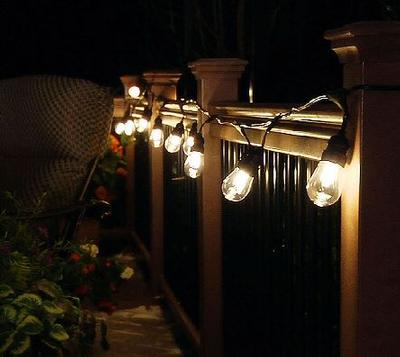
There is nothing that brings a catered event to a halt faster than losing electricity to a blown breaker. Whether you're catering a wedding in a barn, serving dinner under a tent, or preparing food at a venue without a permanent kitchen, having enough electrical power is just as important as having the right catering equipment.
Understanding the difference between start-up amps and running amps can help prevent power interruptions and keep your event running smoothly. Before plugging in mobile kitchen equipment, it is important to know how much electricity each piece of equipment requires—and whether your power source can handle it.
Unlike commercial kitchens, many off-site venues were never designed to support multiple commercial appliances operating simultaneously. Mobile ovens, refrigeration units, hot holding cabinets, and other catering equipment all draw electricity, but not always in the same way.
According to a product expert at Electric Generators Direct, “Some equipment requires a brief burst of extra power when it first starts, while other equipment draws power continuously throughout service. Knowing the difference helps you avoid overloaded circuits and unexpected downtime.”
Some electrical equipment needs an initial surge of electricity to begin operating. Start-up power is described as a "high initial electric surge to get a machine starting from a dead stop," according to a product expert at Electric Generators Direct. Although the surge is significant, it typically lasts only milliseconds before the equipment settles into normal operation.
Common catering and kitchen equipment that may require start-up amps includes:
- Refrigerators
- Air conditioners
- Air compressors
Because these appliances contain compressors or motors, they briefly require more electricity than they use during normal operation.
That short burst of power can create problems if your electrical source isn't prepared for it.
As explained by Matt Billington, commercial equipment operator, you must "make sure your power source, such as a portable generator or a circuit, can handle the high energy, otherwise your breaker could blow."
If multiple appliances start at the same time or the circuit lacks enough capacity, the electrical system can become overloaded before the event even gets underway.
Once equipment has started, it switches to its normal operating power requirement.
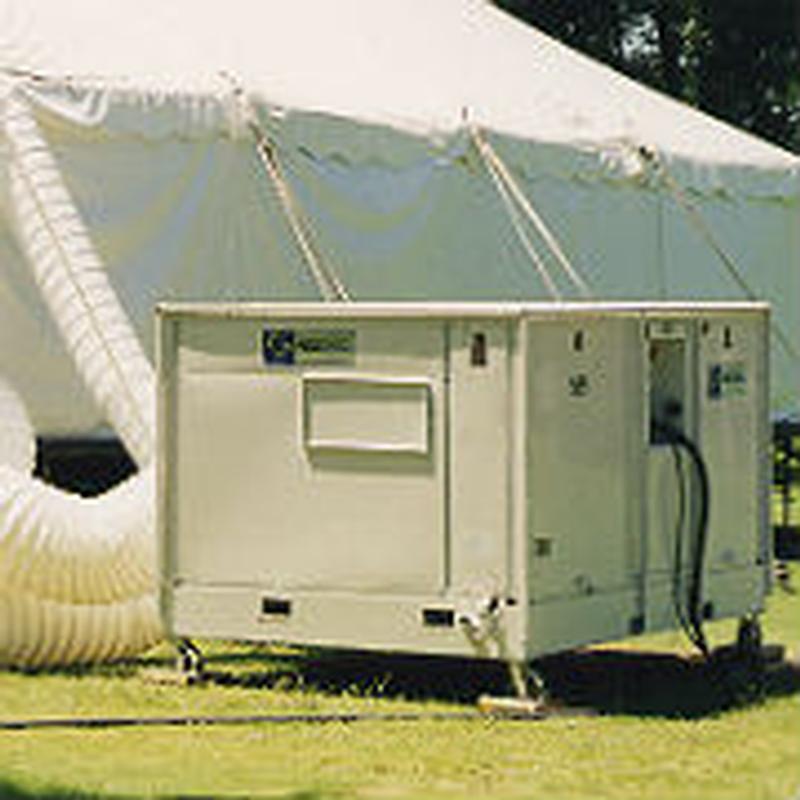 “Running watts (or running amps) are the continuous amount of power required to keep equipment operating after startup. This steady electrical draw continues until the equipment is turned off” as said by commercial equipment operator Matt Billington.
Unlike the brief start-up surge, running amps represent the electrical load your power source must support throughout your entire event.
While start-up amps happen in an instant, running amps determine whether your electrical system can sustain your equipment for hours of food preparation and service.
As noted by product expert Electric Generator’s Direct, it is important to "ensure that you don't overload an electrical system for extended use."
Even if every appliance starts successfully, exceeding the available continuous electrical capacity can still trip breakers or cause equipment to shut down during your event.
The easiest way to avoid electrical problems is to calculate your power needs before arriving on-site. Review every piece of equipment you'll be using and identify both its start-up and running amperage requirements. Then verify that your venue, generator, or temporary electrical service can safely accommodate those loads.You can find this out by checking the manual or asking your rental company.
Planning ahead helps prevent:
- Tripped breakers
- Equipment shutdowns
- Food service delays
- Generator overloads
- Last-minute electrical troubleshooting
A few minutes of preparation can save hours of frustration on event day.
Visit Our Showroom
Come see everything we have to offer! Visit us at our showroom.
13405 15th Avenue North
Plymouth, MN 55441
Speak with an event specialist
Have specific questions about your event? Our trained staff would be happy to help. Fill out our contact form or call us now!
763-559-8368